Skin Damage
The skin is the largest organ of the body and serves as a protective barrier against external elements. However, it is constantly exposed to various factors that can cause damage, leading to premature aging, pigmentation, irritation, and even skin diseases. Skin damage can occur due to environmental exposure, lifestyle choices, medical conditions, and improper skincare practices. Understanding the causes, types, symptoms, and treatment options can help individuals maintain healthy skin and prevent long-term complications.
Causes of Skin Damage
Several factors contribute to skin damage, including:
1. Environmental Factors
- Sun Exposure (UV Radiation): Prolonged exposure to ultraviolet (UV) rays from the sun can cause sunburn, pigmentation, and premature aging (photoaging).
- Pollution: Exposure to air pollutants, dirt, and chemicals can clog pores and lead to oxidative stress, accelerating skin aging.
- Extreme Weather Conditions: Cold, dry air can strip moisture from the skin, while excessive heat can lead to dehydration and irritation.
2. Lifestyle and Habits
- Smoking: Reduces oxygen supply to the skin, leading to wrinkles, dullness, and premature aging.
- Unhealthy Diet: Diets high in processed foods and sugar can cause inflammation, leading to acne and premature aging.
- Dehydration: Insufficient water intake results in dry, flaky, and less elastic skin.
- Lack of Sleep: Chronic sleep deprivation contributes to dark circles, fine lines, and a dull complexion.
3. Skincare and Cosmetic Practices
- Harsh Skincare Products: Using products with alcohol, sulfates, and artificial fragrances can weaken the skin barrier.
- Over-Exfoliation: Excessive scrubbing or use of chemical exfoliants can cause irritation, redness, and increased sensitivity.
- Improper Use of Makeup: Heavy or expired makeup products can clog pores and lead to breakouts.
4. Medical Conditions
- Eczema (Atopic Dermatitis): Causes dryness, redness, and skin sensitivity.
- Psoriasis: Leads to scaly, inflamed patches of skin.
- Acne and Acne Scarring: Improper handling of acne can cause long-term skin texture issues.
Types of Skin Damage
- Sunburn: Red, painful skin caused by excessive UV exposure.
- Hyperpigmentation: Dark spots and uneven skin tone due to excessive melanin production.
- Wrinkles and Fine Lines: Premature aging signs caused by collagen breakdown.
- Dry and Dehydrated Skin: Lack of moisture leading to rough texture and flakiness.
- Scarring: Damage from acne, injuries, or surgeries that alters skin texture.
- Broken Capillaries: Small, visible blood vessels on the skin’s surface due to sun damage or irritation.
Symptoms of Skin Damage
- Redness, irritation, and inflammation
- Dryness, flaking, or peeling
- Uneven skin tone and pigmentation
- Rough or leathery texture
- Increased sensitivity and breakouts
- Premature signs of aging, such as wrinkles and sagging
Diagnosis of Skin Damage
A dermatologist diagnoses skin damage through:
- Visual Examination: Assessing the skin’s texture, elasticity, and pigmentation.
- Medical History: Reviewing lifestyle habits, skincare routine, and environmental exposure.
- Skin Biopsy: In severe cases, a small sample may be analyzed for deeper skin issues.
Treatment of Skin Damage
1. Topical Treatments
- Sunscreen: Daily SPF protection to prevent further UV damage.
- Moisturizers: Hydrating products containing hyaluronic acid, ceramides, and glycerin to restore moisture.
- Retinoids (Vitamin A Derivatives): Stimulate collagen production and reduce fine lines.
- Vitamin C Serums: Antioxidants that brighten the skin and reduce pigmentation.
2. Dermatological Procedures
- Chemical Peels: Exfoliate the outer layer of skin to improve texture and pigmentation.
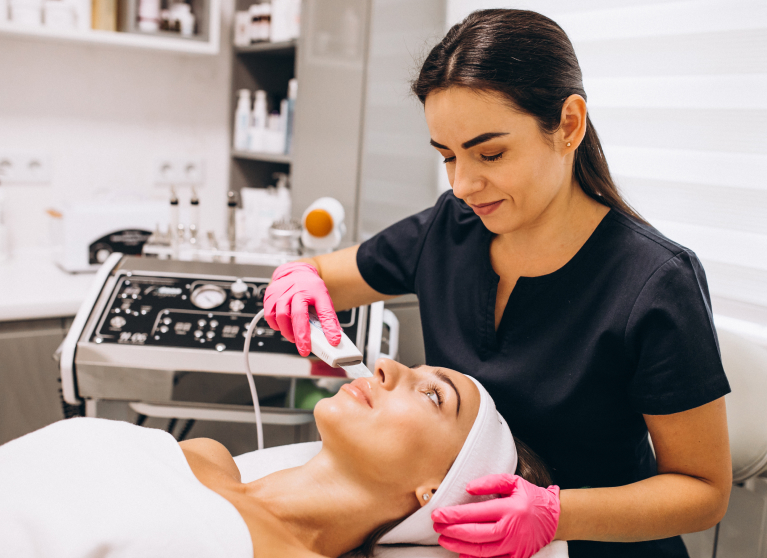
- Microdermabrasion: Removes dead skin cells and stimulates skin renewal.
- Laser Therapy: Targets pigmentation, scars, and fine lines by stimulating collagen production.
- Microneedling: Enhances skin healing and reduces scarring and wrinkles.
3. Lifestyle Changes
- Healthy Diet: Eating antioxidant-rich foods to support skin repair.
- Hydration: Drinking enough water to maintain skin moisture.
- Proper Sleep: Ensuring adequate rest for skin regeneration.
- Stress Management: Reducing stress through meditation or exercise to prevent breakouts and premature aging.
Prevention of Skin Damage
- Apply Sunscreen Daily: Use SPF 30 or higher to protect against UV radiation.
- Follow a Gentle Skincare Routine: Use mild cleansers and moisturizers suited to your skin type.
- Avoid Excessive Heat and Cold Exposure: Protect skin with clothing and hydration.
- Stay Hydrated and Eat Well: A nutrient-rich diet promotes healthy skin.
- Avoid Smoking and Excessive Alcohol: These contribute to premature aging and dull skin.
Conclusion
Skin damage can occur due to various environmental, lifestyle, and medical factors. While some damage is reversible with proper care, severe cases may require professional treatments. By adopting a proactive skincare routine and making healthier lifestyle choices, individuals can maintain resilient and youthful skin. Consulting a dermatologist for early intervention can prevent long-term complications and ensure optimal skin health.




 Appointment
 Contact us
 Review us
 Call us
