

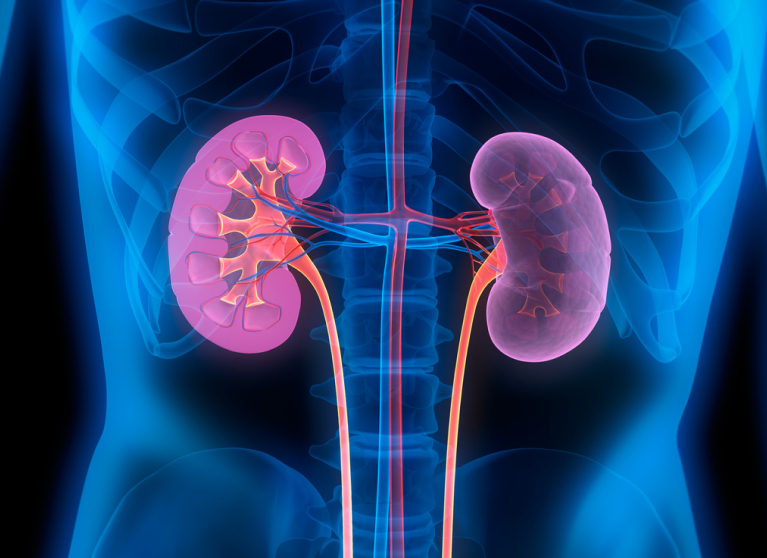
Swelling in the legs or ankles, also known as peripheral edema, is a common symptom that may indicate underlying kidney-related conditions. The nephrology department at Heritage Hospital specializes in diagnosing and managing swelling that arises due to kidney dysfunction or fluid retention. Understanding the causes, symptoms, and treatment options can help in early detection and effective management of this condition.
Swelling in the lower limbs can be attributed to various factors, but when linked to nephrology, it often points to issues related to fluid balance and kidney function. Some key kidney-related causes include:
The kidneys play a crucial role in maintaining fluid balance. When kidney function declines, excess fluid is not efficiently removed from the body, leading to swelling in the legs, ankles, and even the face. CKD can develop gradually and may be accompanied by symptoms like fatigue, high blood pressure, and shortness of breath.
This kidney disorder is characterized by excessive protein loss in urine, low protein levels in the blood, and fluid retention. Swelling, particularly in the lower limbs, is a hallmark sign of nephrotic syndrome. It may also be associated with foamy urine, fatigue, and weight gain.
A sudden decline in kidney function can cause fluid retention, leading to swelling in the legs and ankles. AKI may result from infections, dehydration, or medication side effects and requires immediate medical attention.
This inflammatory condition affects the kidney’s filtering units (glomeruli), impairing their ability to remove waste and fluids efficiently. It can cause swelling, blood in urine, and high blood pressure.
Kidney dysfunction can lead to imbalances in sodium and potassium levels, contributing to fluid buildup and swelling in the lower extremities.
If swelling persists or is accompanied by other symptoms such as reduced urine output, foamy urine, or high blood pressure, it is essential to consult a nephrologist immediately.
The nephrology team at Heritage Hospital conducts a thorough assessment to determine the underlying cause of swelling. Diagnostic procedures may include:
? Blood Tests – To assess kidney function (creatinine, blood urea nitrogen, and electrolyte levels).
? Urine Tests – To detect protein loss, infections, or abnormalities.
? Imaging Tests (Ultrasound, CT Scan, or MRI) – To visualize kidney structure and detect any abnormalities.
? Electrocardiogram (ECG) – To rule out heart-related causes, as fluid retention can also be linked to heart failure.
Treatment for swelling in the legs or ankles depends on the underlying cause. The nephrology team at Heritage Hospital follows a comprehensive approach that includes:
Immediate medical attention is required if swelling is accompanied by:
At Heritage Hospital, our nephrology specialists provide advanced care for kidney-related swelling and associated conditions. With state-of-the-art diagnostic tools and personalized treatment plans, we aim to restore kidney health and improve overall well-being. If you are experiencing persistent swelling in the legs or ankles, schedule a consultation with our experts today.


 Appointment
 Contact us
 Review us
 Call us
